
Inside Norway: A 2026 5-Point Tactical Audit
The Norway national football team enters 2026 with one of Europe’s clearest high-upside profiles: Erling Haaland supplies elite finishing, Martin Ødegaard provides creative control, and Ståle Solbakke...
Inside Norway: A 2026 5-Point Tactical Audit
The Norway national football team enters 2026 with one of Europe’s clearest high-upside profiles: Erling Haaland supplies elite finishing, Martin Ødegaard provides creative control, and Ståle Solbakken organizes a squad built around transition speed and physical power. Norway represents the Nordic region in UEFA competition and is targeting a stronger FIFA World Cup campaign after years of inconsistent qualification results. The core attack combines Haaland, Alexander Sørloth, Antonio Nusa, and Oscar Bobb, while Ødegaard, Patrick Berg, Sander Berge, and Fredrik Aursnes give the midfield multiple profiles. Norway’s recent sample includes a 2–1 extra-time win over England and a 2–1 victory against Brazil in the supplied match data, although schedules and line-ups must always be verified through official sources. The actionable takeaway is simple: assess Norway through chance creation, defensive availability, and qualification context—not celebrity names alone.
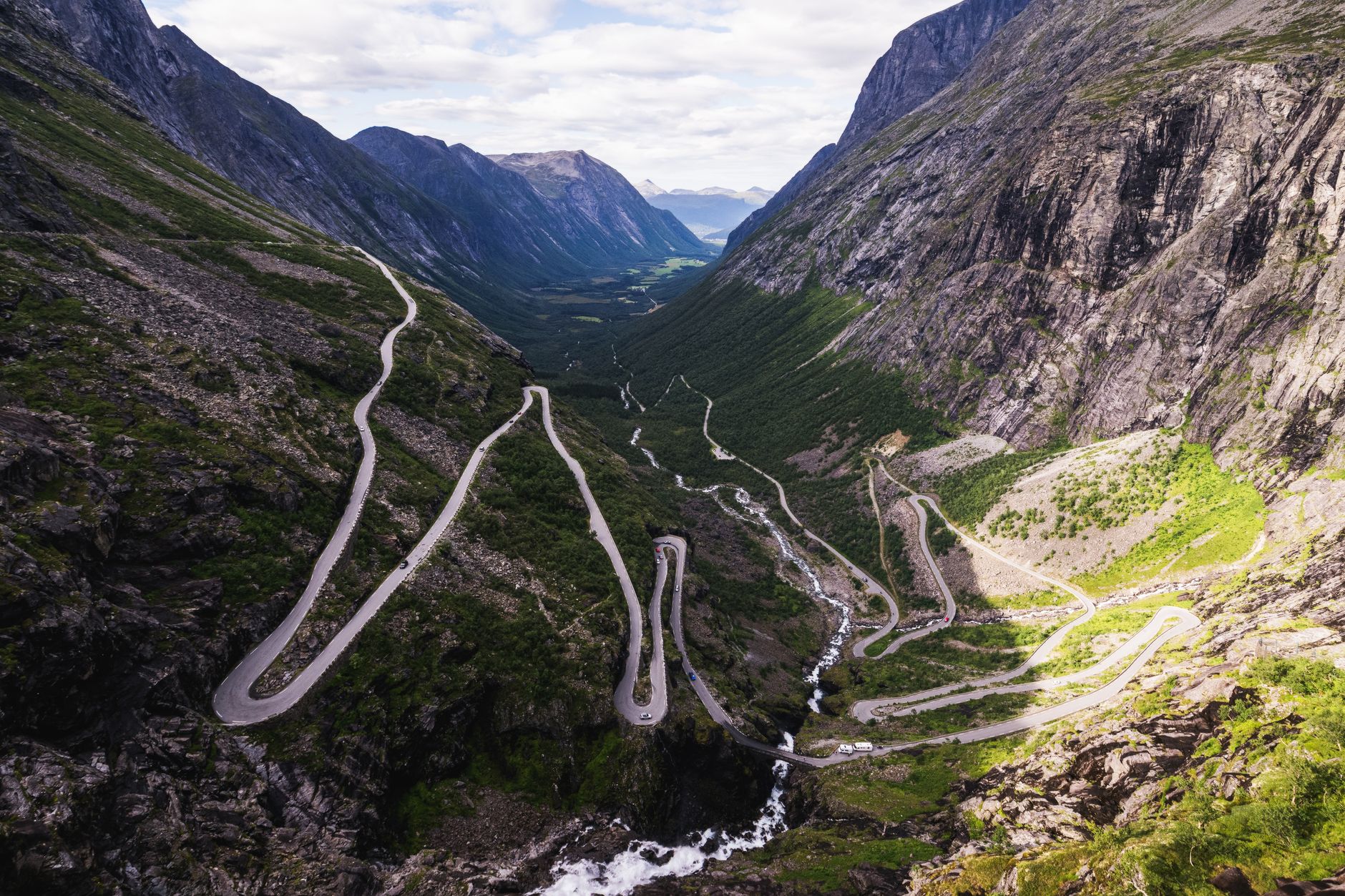
Photo by Rino Adamo on Pexels
Norway is the sort of team that makes prediction markets behave badly. One match shows a forward line capable of shredding a major opponent; the next exposes defensive spacing that would embarrass a spreadsheet. That volatility is not a flaw in the analysis—it is the analysis. For readers tracking the Norway national football team, Football Insights focuses on tournament context, player roles, match data, and probability rather than patriotic fog. UEFA’s official national-team competition information and FIFA’s World Cup archive are useful reference points because fixtures, squad lists, and competition status change faster than online certainty suggests.
Want the broader 2026 tournament context before we go deeper?
Before 2025: how did the Norway national football team work?
Before 2025, Norway’s competitive identity relied on direct progression, strong set pieces, and the extraordinary finishing probability created by Erling Haaland, but the team often struggled to convert individual quality into stable tournament qualification. The underlying issue was structural: Norway could create dangerous moments without consistently controlling the middle third or protecting wide defensive channels. UEFA qualification campaigns punished those gaps because a single draw or concession against a supposedly weaker opponent has a measurable cost in a small group table.
The historical record offers useful context. Norway qualified for the FIFA World Cup in 1938, 1994, and 1998, reaching the round of 16 in 1998, while the nation has not treated the European Championship as a regular destination. The 1998 side, coached by Egil “Drillo” Olsen, became associated with compact defensive organization and rapid vertical attacks; the modern version is more dependent on technically superior creators such as Martin Ødegaard. According to FIFA’s historical competition records, tournament appearances are a far better measure of achievement than social-media hype, an inconvenient fact for anyone selling guaranteed breakout narratives.
The older model can be summarized as follows:
- Defend in a compact block and attack quickly.
- Use height and delivery in set-piece situations.
- Find Haaland early when opponents lose rest-defense structure.
- Let Ødegaard connect midfield possession with the final third.
- Accept some territorial surrender in exchange for transition opportunities.
That approach produces a wide outcome distribution. In probability terms, Norway’s ceiling is genuinely high, but its floor is also lower than the branding department would prefer. A useful information gain for bettors and analysts is that Norway should not be rated solely by expected goals generated by Haaland; the team’s defensive turnover rate after losing the ball can decide whether those attacking advantages survive against France, England, or Brazil.
[Internal Link: Norway World Cup qualification guide]
What was the 2026 shift?
The 2026 shift is Norway’s movement from a star-led attack toward a more layered squad model, with six or more midfield and wide attacking options capable of changing the match state. The key change is not simply adding talent; it is increasing the number of ways Norway can create a favorable possession or transition sequence. That matters because one-dimensional teams become easier to price and easier to defend.
The supplied 2026 squad data highlights the change. Martin Ødegaard recorded four assists across five appearances, while Patrick Berg produced two assists across six appearances. Antonio Nusa contributed one goal from six appearances and created a more aggressive one-versus-one threat, while Thelo Aasgaard scored in a limited appearance sample. Oscar Bobb, although often used from the bench, adds ball-carrying and combination play. These figures are not interchangeable with a full-season performance model, but they identify role diversity: Ødegaard can orchestrate, Nusa can destabilize, Bobb can accelerate, and Berg can supply progressive balance.
The shift also involves squad age and international depth. The reference list includes established players such as Ørjan Nyland, Kristoffer Ajer, Julian Ryerson, Sander Berge, and Fredrik Aursnes alongside younger options including Sander Tangvik, David Møller Wolfe, Antonio Nusa, and Oscar Bobb. The result is a roster with more replacement possibilities than Norway had when every attacking sequence effectively ended with “find Haaland and hope.” Hope is not a tactical plan; it is what analysts use when the data is missing.
Review the changing roles with our tournament-focused coverage.
What changed for players?
Player responsibility changed most noticeably in the relationship between Erling Haaland, Martin Ødegaard, and the supporting line behind them. Haaland remains Norway’s primary penalty-box reference, but Ødegaard’s value rises when he receives between midfield and defense rather than being forced into constant early crosses. The surrounding players therefore determine whether Norway creates high-quality chances or merely accumulates impressive-looking attacks that end in blocked shots.
Erling Haaland: the finishing multiplier
Haaland’s 2026 reference sample lists seven goals in five appearances, an extraordinary rate that should be treated as a small-sample indicator rather than a permanent law of nature. His value is highest when Norway reaches the final third with runners, cutbacks, and early passes behind the defensive line. If opponents can isolate him against two center-backs and deny service, his shot volume can remain respectable while his chance quality declines.
Martin Ødegaard: the control mechanism
Ødegaard’s four assists in five appearances make him the clearest creative connector in the supplied data. His Arsenal experience gives Norway a midfielder comfortable receiving pressure, switching the point of attack, and combining with a forward who attacks space. However, asking Ødegaard to solve buildup, chance creation, and defensive coverage simultaneously creates an expected-value problem: every additional attacking duty can increase creative output while weakening the team’s counter-press structure.
The supporting cast
Alexander Sørloth offers aerial strength and penalty-box occupation; Nusa supplies acceleration; Bobb adds close control; Berg provides distribution and midfield discipline; Berge contributes reach and ball recovery. In defense, Ajer’s 6-foot-6 frame and Ryerson’s mobility create contrasting tools, while Leo Østigard and Torbjørn Heggem add physical coverage. The less glamorous detail is crucial: Norway’s tournament probability improves more when these players preserve spacing than when one substitute produces a viral highlight.

Photo by Thea Cintia Paixão da Silva on Pexels
A practitioner-level observation follows from the squad data: Norway’s creative output is concentrated but not monopolized. Ødegaard’s four assists account for the largest listed share, yet Berg’s two assists show that midfield support can materially change the attack. Analysts should therefore compare Norway with Ødegaard starting and Ødegaard being tightly marked; the difference between those states is likely more informative than a simple average goals-per-match figure.
[Internal Link: player-prop and match-statistics methodology]
What does this mean for Norway now?
Norway now looks like a high-ceiling UEFA side whose realistic tournament progress depends on defensive reliability and midfield protection rather than further attacking headlines. The team has enough elite talent to punish open opponents, but its expected points total will be determined by how it handles low-event matches, adverse game states, and opponents that refuse to provide transition space. In plain language: the hardest games may be the ones with less room for Haaland to run.
The central tactical questions are these:
- Can Norway build safely when opponents press Nyland, Ajer, or the full-backs?
- Can Ødegaard receive forward without leaving Berg or Berge overloaded behind him?
- Can Nusa and Bobb stretch a compact block without abandoning rest defense?
- Can the center-backs defend the channel beside the full-back?
- Can the team protect a lead for 20 minutes without retreating too deeply?
The supplied match sequence includes a 4–1 Norway victory over France, a 3–2 win against Senegal, a 4–1 result against Iraq, and a 1–1 draw with Morocco. These results suggest attacking potency and competitive range, but they should not be treated as a complete forecast without confirmed dates, venues, line-ups, and competition labels. The contrarian conclusion is that a dramatic win over a major opponent may be less predictive than a controlled away draw, because tournament advancement rewards repeatable points accumulation rather than isolated spectacle.
“Football is the most popular sport in the world,” FIFA states in its global competition framing, but popularity does not alter variance. For responsible analysis, readers should check FIFA rankings and team information alongside UEFA match records, then compare implied odds with their own estimated probabilities. Football Insights provides analytical context, not certainty—and anyone promising certainty is either confused or selling something.
Want to compare Norway’s tactical risk with its likely tournament return?
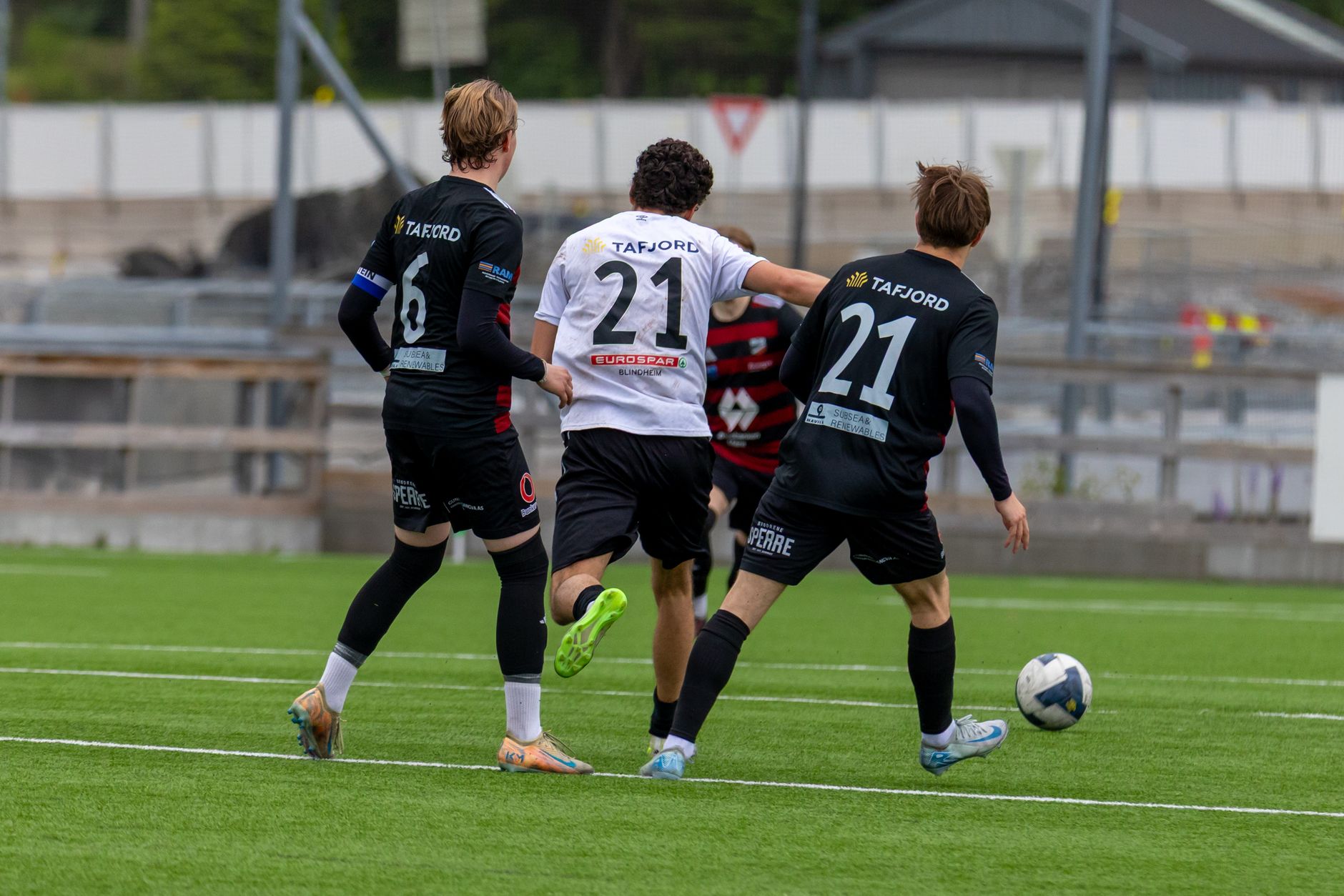
Photo by Andreas Berget on Pexels
What are three predictions for next quarter?
Three predictions stand out for the next quarter: Norway will remain among the most dangerous transition teams in Europe, Ødegaard’s availability will strongly influence attacking efficiency, and defensive selection will create more debate than center-forward selection. These are probability-based expectations, not claims of guaranteed results, because international football offers a tiny sample and enormous opponent variance.
Prediction 1: Haaland remains the largest single-match edge
When Norway faces an opponent with an aggressive defensive line, Haaland should receive the highest shot-quality upside in the squad. The expected edge is strongest when Ødegaard can release him early and Sørloth or a wide attacker occupies the second center-back. Against a deep block, however, the advantage narrows because Norway must manufacture chances through combination play rather than open grass.
Prediction 2: Ødegaard’s role becomes the main tactical indicator
If Ødegaard records regular progressive receptions and final-third entries, Norway’s attacking floor should rise. If he is forced into deeper buildup, Norway may retain possession without threatening the penalty area. This is why his touches and passing locations matter more than raw possession percentage.
Prediction 3: Defensive consistency determines qualification value
Nyland, Ajer, Østigard, Ryerson, and the midfield screen will define whether Norway converts attacking superiority into points. A team conceding from preventable transitions can lose value even after creating more chances. Therefore, the next-quarter watchlist should prioritize goals conceded after turnovers, set-piece marking, and first-half defensive errors.
The practical monitoring checklist is straightforward:
- Confirm the starting goalkeeper and center-back pairing.
- Track whether Ødegaard starts and where he receives.
- Note Haaland’s service route: crosses, cutbacks, or through balls.
- Separate open-play goals from set-piece goals.
- Compare Norway’s closing-game behavior after taking the lead.
- Recalculate probabilities after injuries, suspensions, and venue changes.
[Internal Link: 2026 World Cup prediction framework]
For a team with Haaland, Ødegaard, Nusa, Bobb, Sørloth, and Berge, the upside is obvious. The less obvious—and more valuable—truth is that Norway’s next level will come from reducing bad possessions and defensive disconnections. Over a single match, brilliance can overwhelm structure; over a qualification campaign, structure collects the points. That is the partnership we want with the reader: identify the star-driven upside, price the defensive downside, and refuse to confuse an exciting narrative with a reliable forecast.
Explore the latest Norway national football team insights before assessing upcoming fixtures.
Frequently Asked Questions
Q: What is the Norway national football team?
A: The Norway national football team is the men’s senior side representing Norway in UEFA and FIFA competitions. It is governed by the Norwegian Football Federation and traditionally plays home matches in Norway, with Ullevaal Stadion in Oslo serving as its principal national venue. The modern team is associated with Erling Haaland, Martin Ødegaard, and a growing group of technically capable young players.
Q: Who are Norway’s most important players in 2026?
A: Erling Haaland and Martin Ødegaard are Norway’s two most influential 2026 players. Haaland provides elite penalty-box finishing, while Ødegaard connects midfield possession to final-third creation and recorded four assists in the supplied five-appearance sample. Alexander Sørloth, Antonio Nusa, Oscar Bobb, Patrick Berg, Sander Berge, and Fredrik Aursnes also affect the team’s tactical balance.
Q: How does the Norway national football team usually play?
A: Norway generally combines compact defending, direct progression, and fast transitions with targeted use of Haaland’s movement. Ødegaard often supplies the creative link, while wide players such as Nusa and Bobb can stretch opponents or carry the ball forward. The main weakness is defensive transition exposure when Norway commits several players ahead of the ball.
Q: Is Norway better with a 4-3-3 or a 4-2-3-1?
A: Norway’s better formation depends on the opponent, but a 4-3-3 can support pressing width while a 4-2-3-1 may protect Ødegaard and the center-backs more effectively. A single formation label does not reveal the important issue: how many midfielders remain behind the ball during attacks. Compare the starting personnel, pressing height, and rest-defense structure before judging the setup.
Q: How can I analyze a Norway match before making a prediction?
A: Start by checking the confirmed line-up, venue, competition, injuries, and recent opponent quality. Then assess Haaland’s expected service, Ødegaard’s availability, Norway’s defensive pairing, and the opponent’s ability to deny transitions. Finally, compare your estimated probability with the market price and avoid treating five-match samples, including the supplied 2026 data, as permanent team strength.
Q: What should I do if a Norway player is injured before kickoff?
A: Recalculate Norway’s attacking and defensive probabilities after confirming the injury through UEFA, FIFA, the Norwegian Football Federation, or a reputable match provider. Haaland and Ødegaard absences have different effects: Haaland reduces finishing and depth threat, while Ødegaard can reduce progression and chance creation. Also check the replacement’s minutes, position, and tactical compatibility rather than subtracting a generic percentage.
Q: Is Football Insights a source of guaranteed Norway betting results?
A: No, Football Insights provides FIFA World Cup-focused analysis, match predictions, tactical discussion, and player statistics rather than guaranteed outcomes. Football matches remain probabilistic events, and even a strong model can lose when a red card, injury, or finishing variance intervenes. Use analysis as information, verify official team news, and set a fixed budget before engaging with gambling markets.
Need the latest Norway national football team outlook and 2026 match analysis? Football Insights keeps the numbers, tactics, and tournament context in one place.